ORGANIC INTRODUCTION CASE
CHOOSE YOUR FOUR All white, all red, or a little of both. Four bottles in each case.
01. ORGANIC WHITES Four whites with a sense of place.
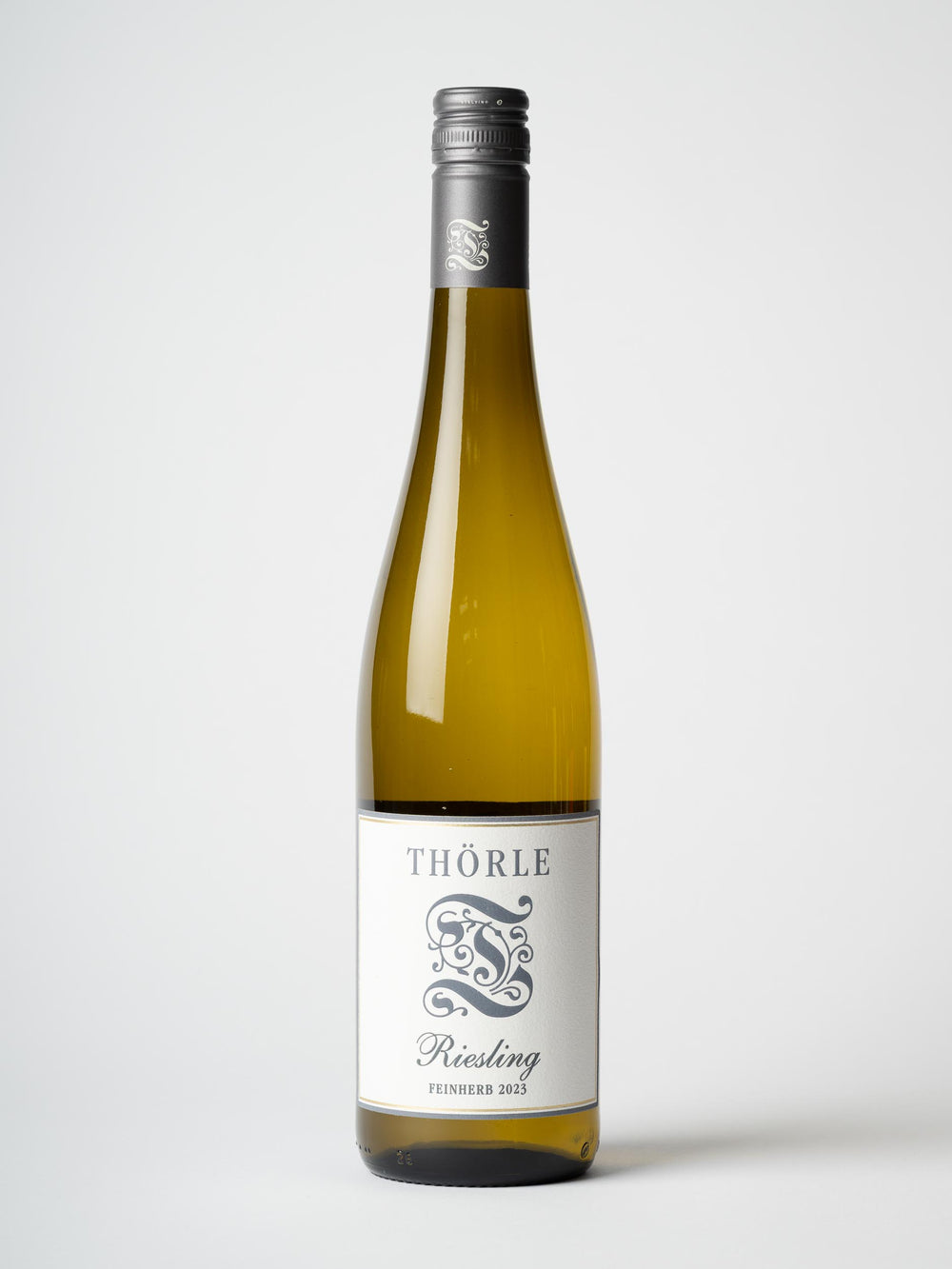
Riesling Feinherb 2023, Thörle – Rheinhessen, GermanyRiesling Feinherb 2023
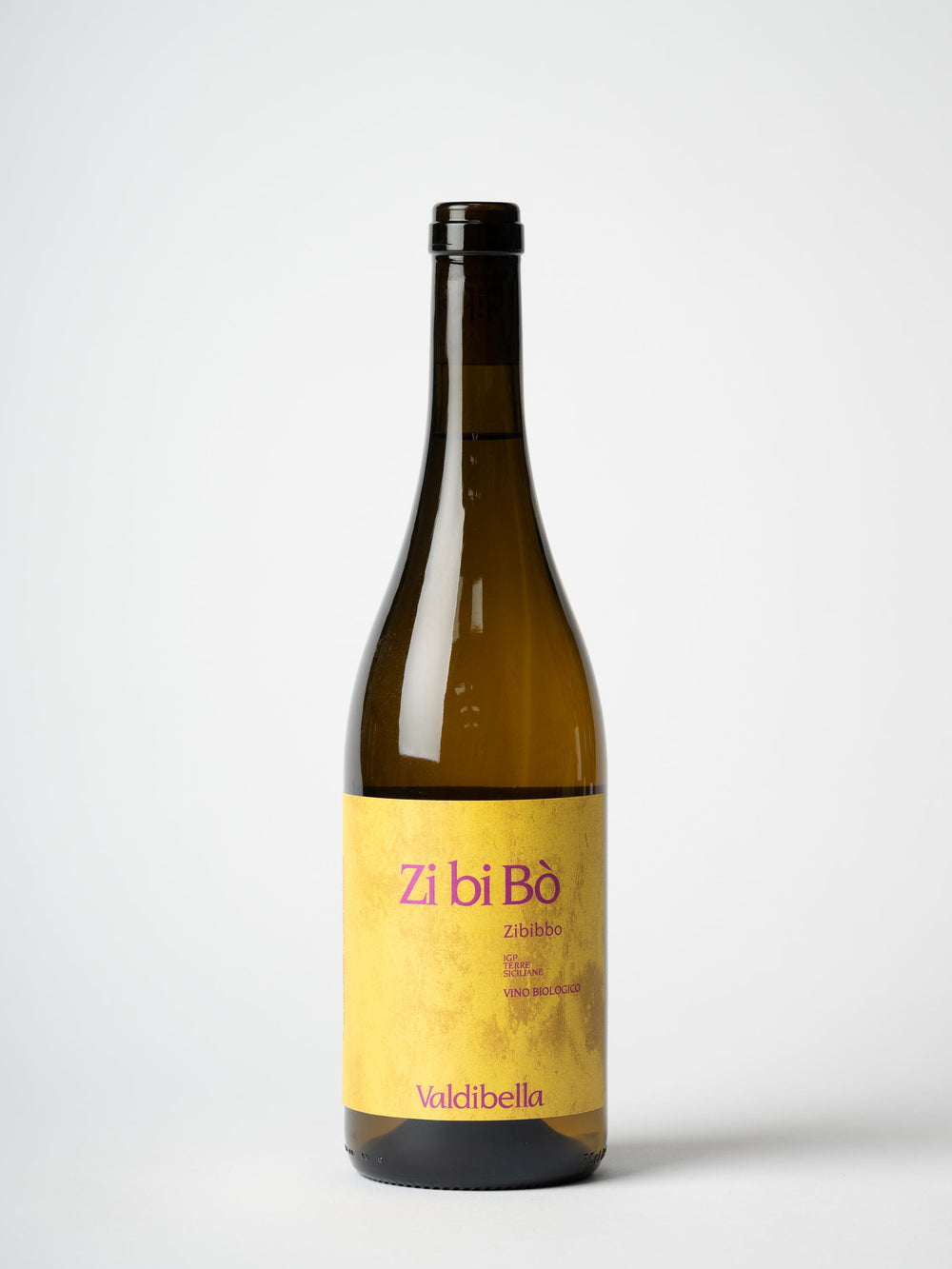
Zi Bi Bò Zibibbo 2024, Valdibella – Sicily, ItalyZi Bi Bò Zibibbo 2024
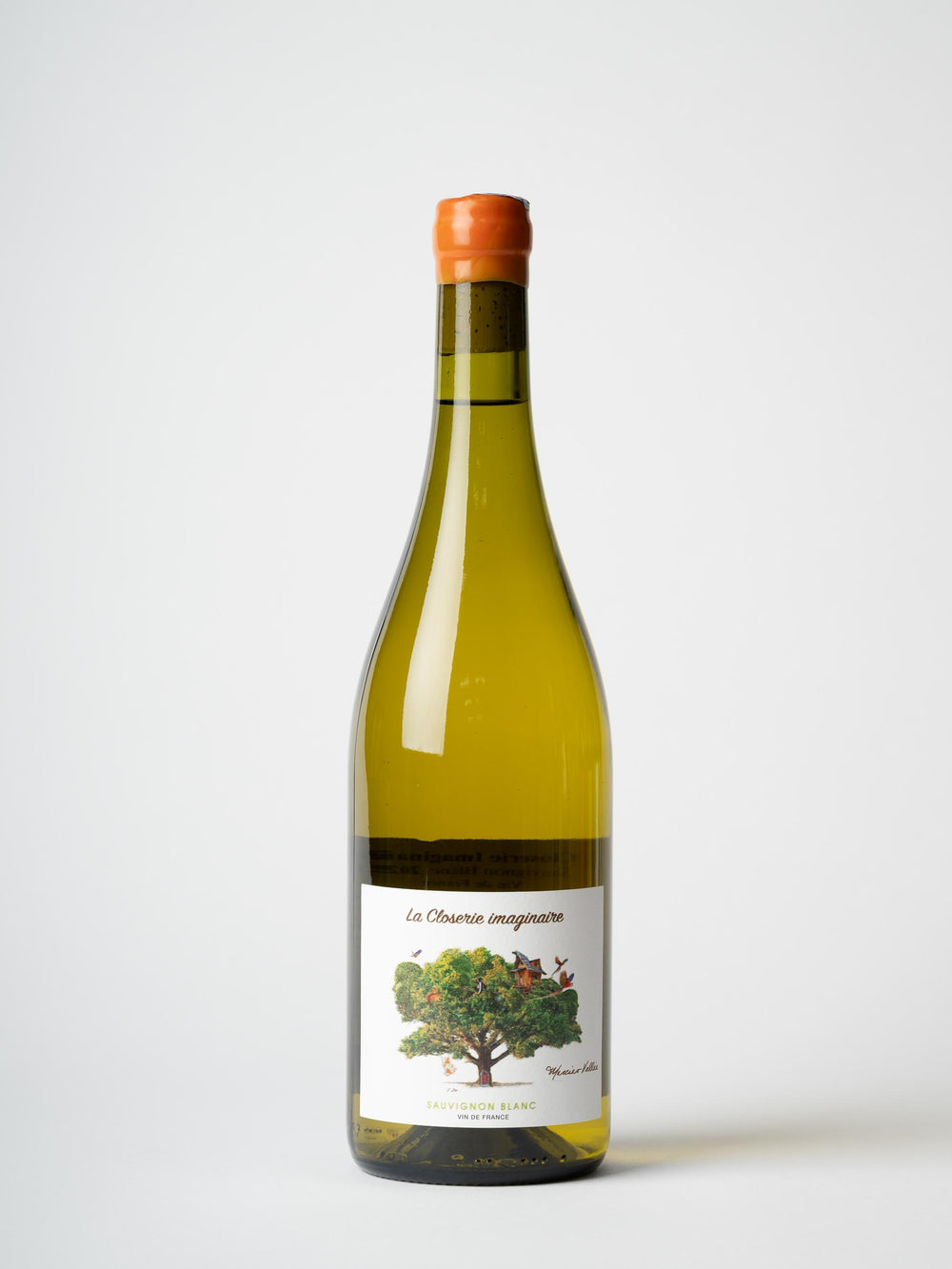
Imaginaire Sauvignon Blanc 2023, La Cotelleraie – Loire, FranceImaginaire Sauvignon 2023
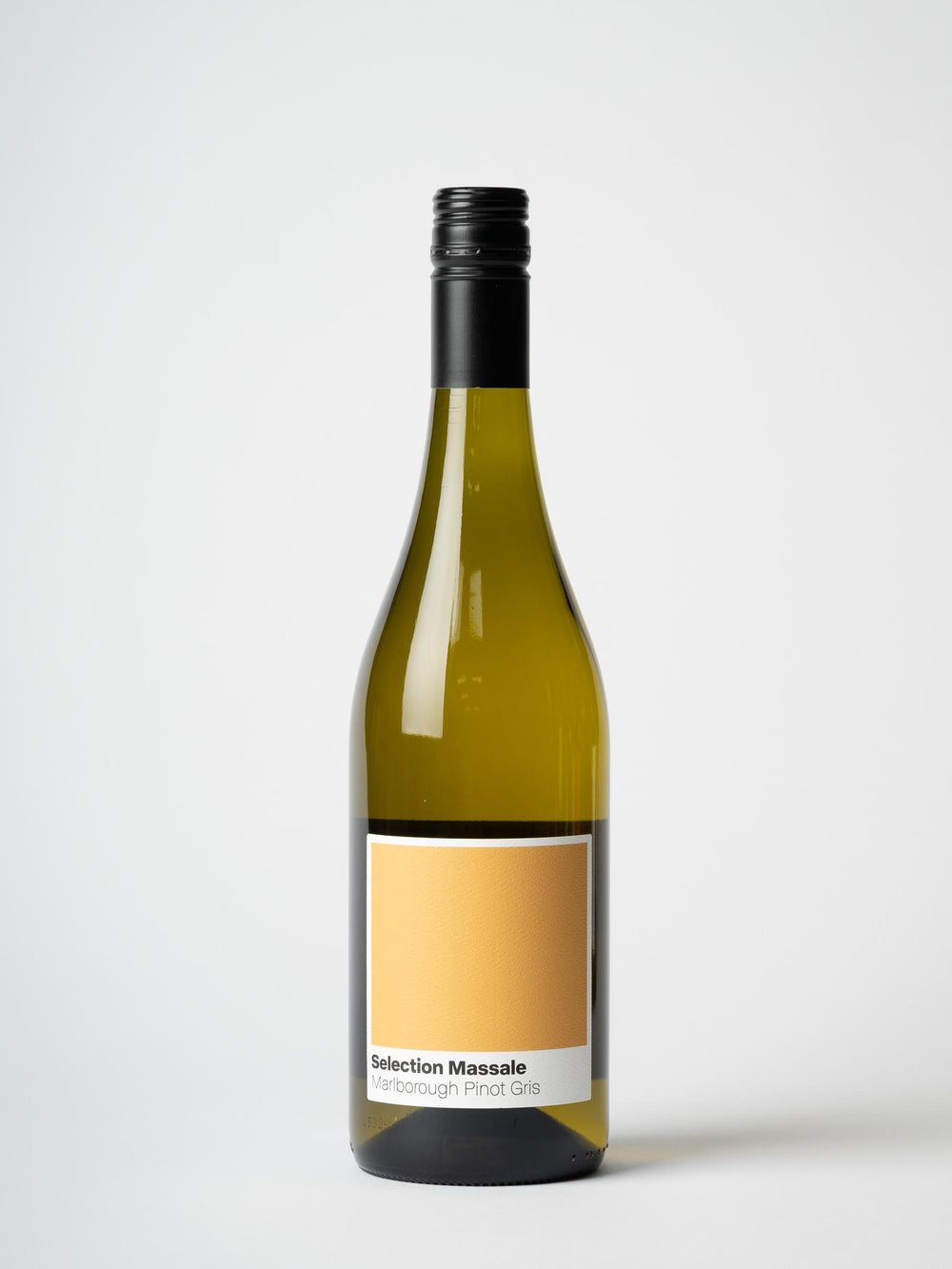
Pinot Gris 2024, Selection Massale – Marlborough, NZPinot Gris 2024
02. ORGANIC REDS Four pure reds connected to the earth.
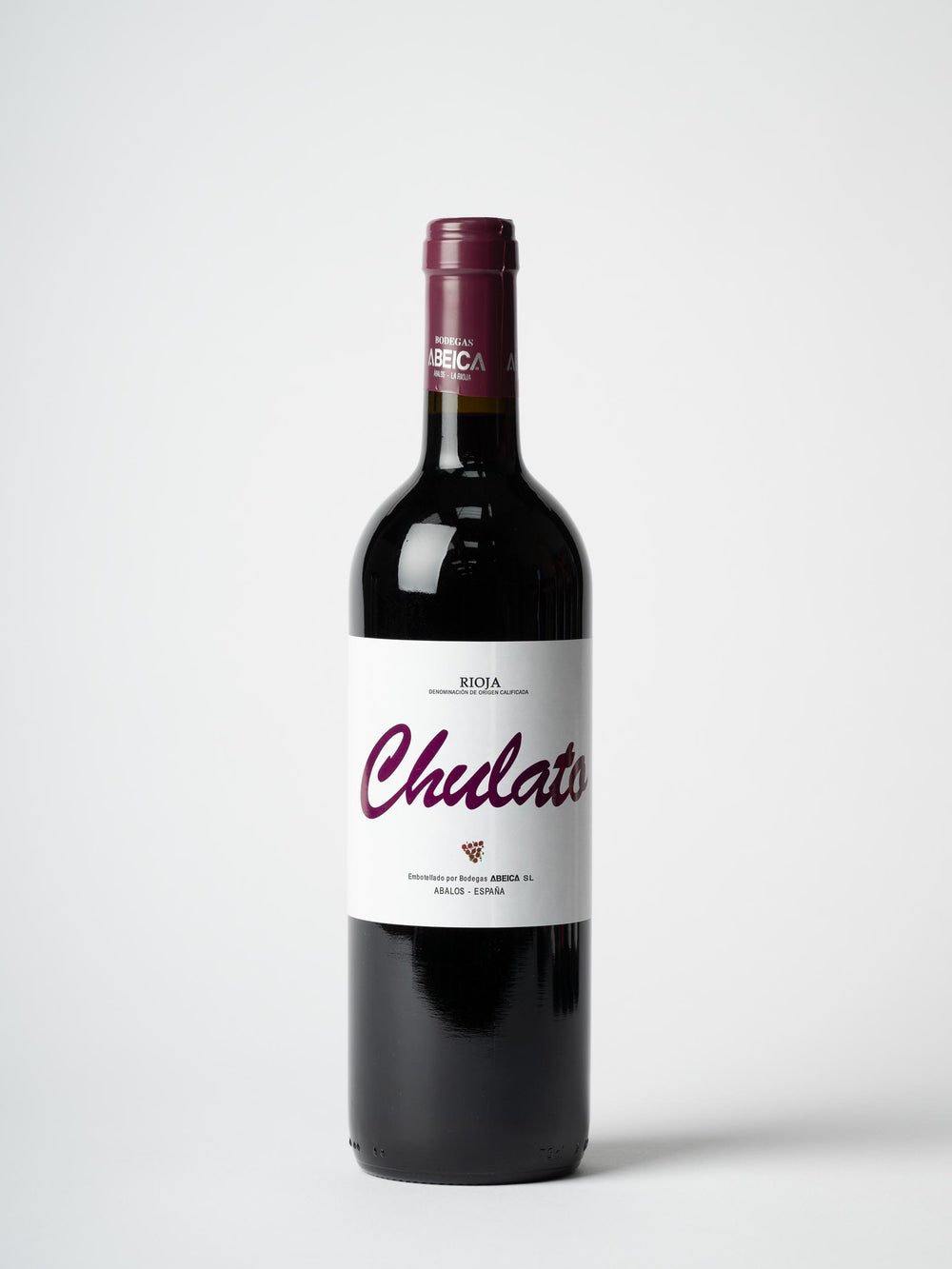
Chulato Rioja 2025, Abeica – Rioja, SpainChulato Rioja 2025
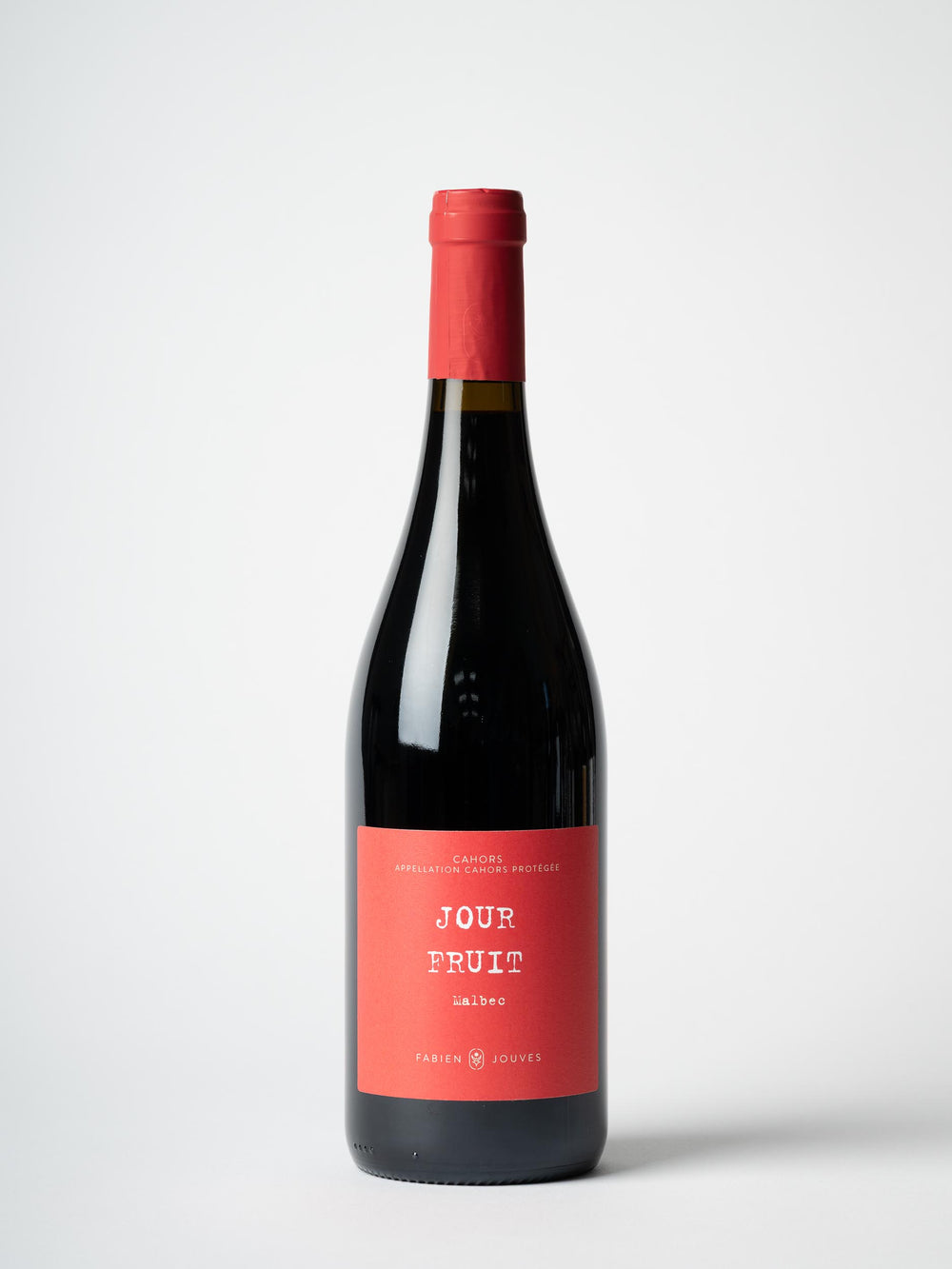
Haute Cot(e) de Fruit 2024, Mas del Périé – Cahors, FranceHaute Cot(e) de Fruit 2024
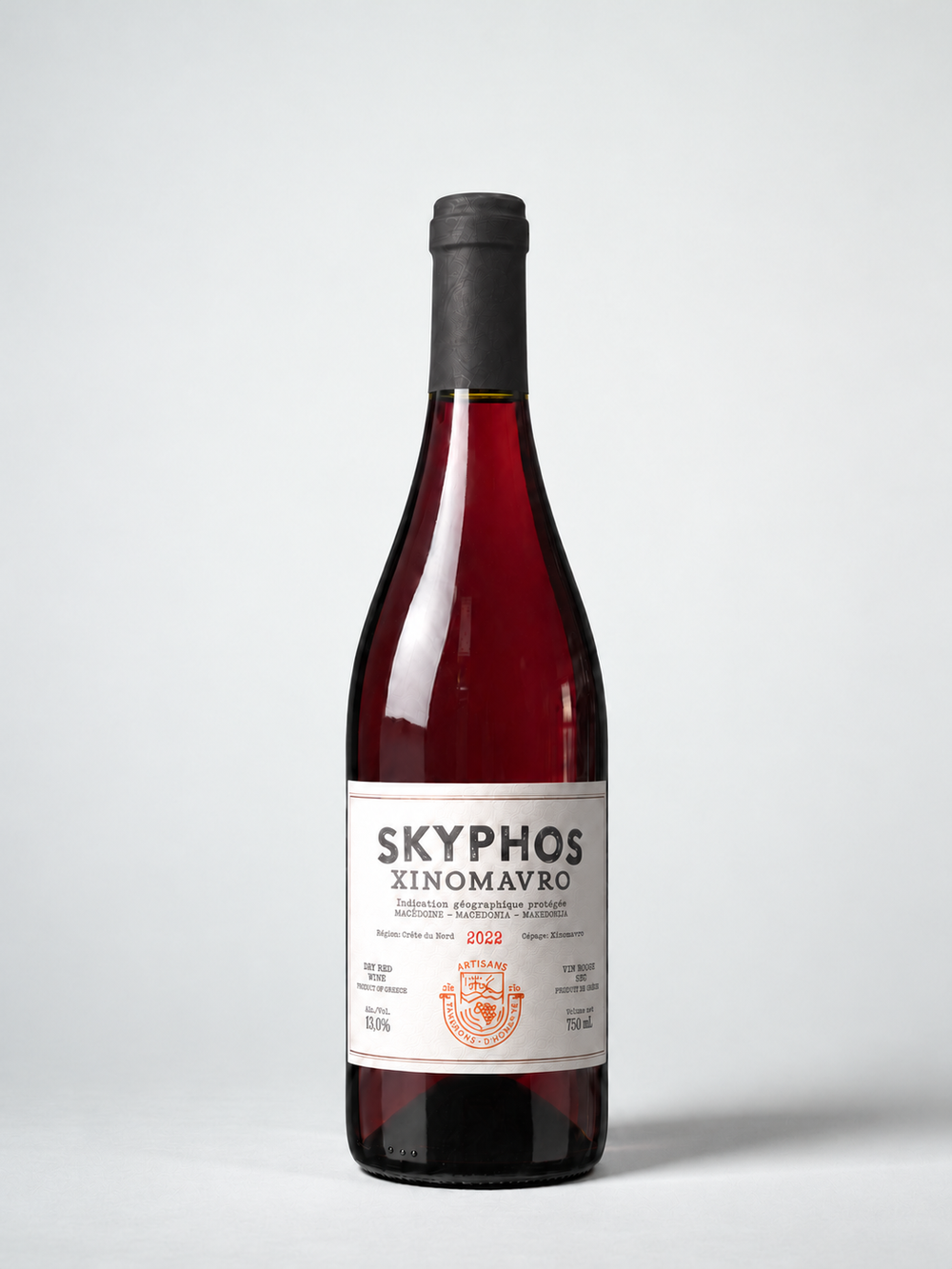
Skyphos Xinomavro 2022, Vignerons de Naoussa – Macedonia, GreeceSkyphos Xinomavro 2022
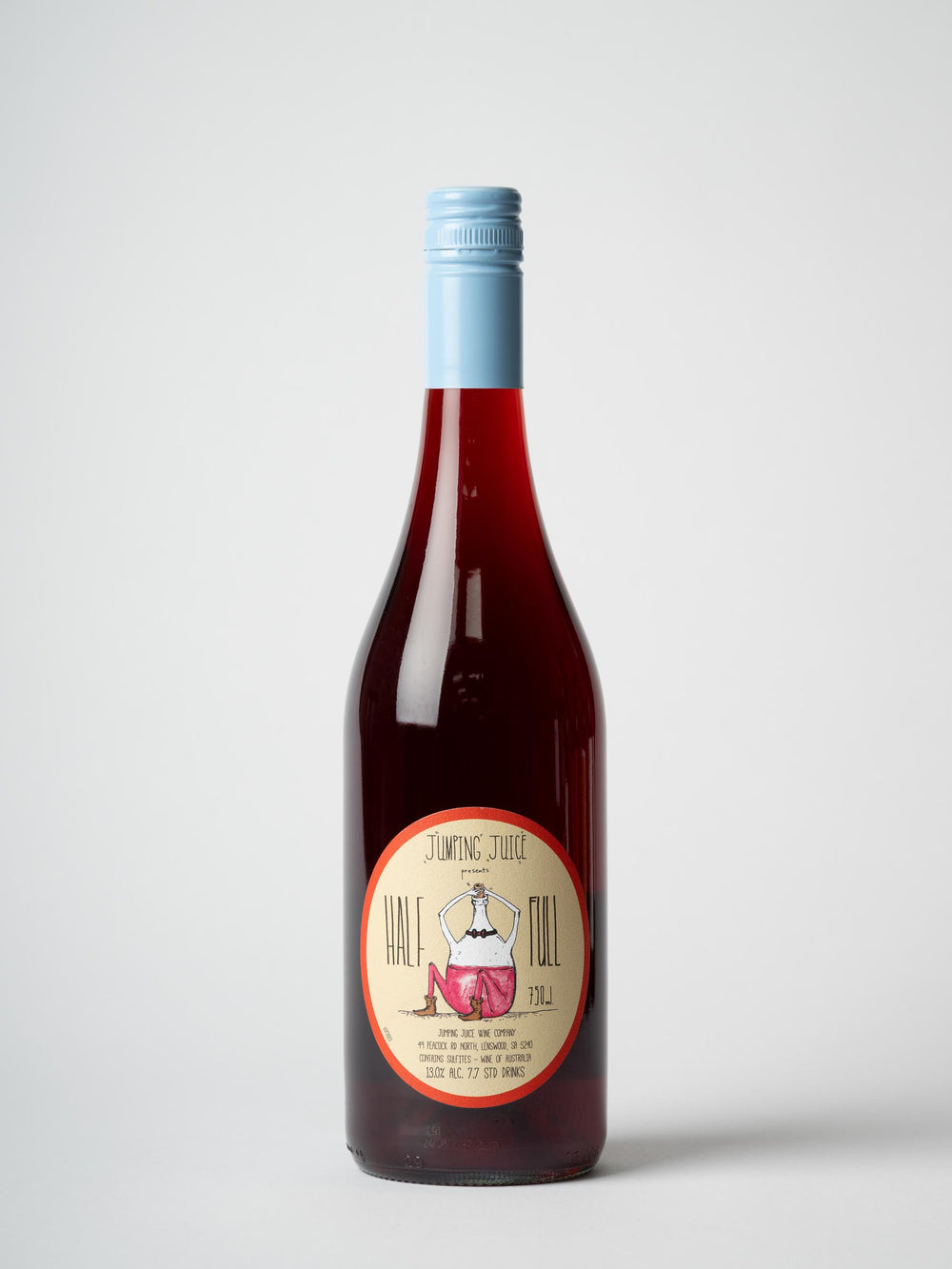
Half Full 2022, Jumping Juice – Victoria, AustraliaHalf Full 2022
CHOOSE YOUR FOUR All white, all red, or a little of both. Four bottles in each case.
Riesling Feinherb 2023, Thörle – Rheinhessen, GermanyRiesling Feinherb 2023Zi Bi Bò Zibibbo 2024, Valdibella – Sicily, ItalyZi Bi Bò Zibibbo 2024Imaginaire Sauvignon Blanc 2023, La Cotelleraie – Loire, FranceImaginaire Sauvignon 2023Pinot Gris 2024, Selection Massale – Marlborough, NZPinot Gris 2024
Chulato Rioja 2025, Abeica – Rioja, SpainChulato Rioja 2025Haute Cot(e) de Fruit 2024, Mas del Périé – Cahors, FranceHaute Cot(e) de Fruit 2024Skyphos Xinomavro 2022, Vignerons de Naoussa – Macedonia, GreeceSkyphos Xinomavro 2022Half Full 2022, Jumping Juice – Victoria, AustraliaHalf Full 2022
Choose Mixed to customise your case.
AN INTRODUCTION TO ORGANIC
Farmers, not factories - Great wine begins in the vineyard.
READ MORE
Wine should take you somewhere.
But when wine is made to a formula, its connection to the vineyard disappears. What you taste is a construct rather than the true character of the grapes and where they're grown.
We want to take you to the vineyard.
Organically grown fruit, handled sensitively by growers who want the vineyards to speak through their wines.
Open a bottle and taste where it comes from.
These wines are windows into the vineyard.
The growers we work with spend their time among the vines. Building living soil. Encouraging biodiversity. Working with nature, not against it.
Every wine in this selection is made from hand-picked grapes and fermented with native yeasts. Picking by hand allows careful selection of the fruit. Fermenting with the yeasts naturally present on the grapes and in the winery helps preserve each wine’s individual character and connection to place.
Some are certified organic. Some aren't, yet farm to the same standard. What matters is how they farm and what ends up in the bottle.
Eight wines. Minimal intervention in the winery, little added beyond a touch of sulphur where needed.
WHAT’S REALLY IN YOUR GLASS?
Wine. Just made from grapes?
Conventional wine production permits a long list of inputs. Synthetic chemicals in the vineyard. Additives and processing aids in the winery.
Most of it never reaches the label.
These are possible inputs, not substances used in every conventional wine. Some are also permitted in organic production.
When nature provides, there’s no need to add anything.
GREAT WINE BEGINS WITH GREAT FRUIT
The best winemakers are often farmers first.
They spend their time in the vineyard. Understanding their soils, observing their vines and working with the seasons. The quality of the fruit is their starting point, not something to correct later in the winery.
When I visited Hugo Stewart at his vineyard in Wiltshire for Wine Freedom TV, he spoke about the importance of growing great fruit, then not messing around with it.
“Don’t mess about with it! Just clean, ripe fruit… and don’t chuck a load of stuff at it.”
A straightforward principle. But one that shapes everything from how the vineyard is farmed to what happens in the cellar.
Grow great fruit. Respect what you've grown.