WINEMAKERS Farmers and creators at the heart of our philosophy
FABIEN JOUVES
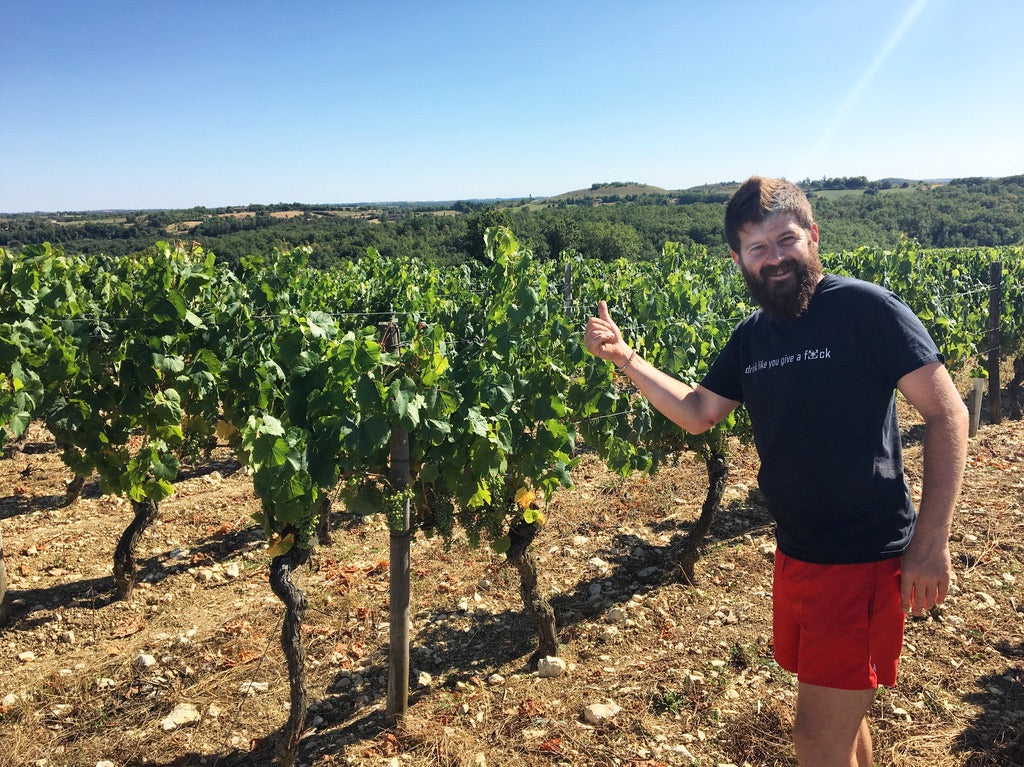
FABIEN JOUVES (Mas del Périé)
Cahors, South West France
THE PLACE
Fabien runs his family estate Mas del Périé, located on a high plateau overlooking the town of Cahors. The soil here is particularly important: complex clay and ‘Quercy’ limestone, a brilliant white limestone that is soft and very permeable. There are pockets of gravel producing wines with freshness and clarity. There are also areas of ‘Sidérolithique’, a complex blend of sand, chalk, clay and minerals; where this is found, the wines develop more complex, deeper tones.
THE FARMING
The vines are managed along biodynamic principles. Fabien is on a mission to protect his homeland’s traditional grape varieties, something the local authorities seem to have lost sight of in the region of Cahors, South West France. Malbec is the main focus for the region, although there are many forgotten gems on the brink of extinction. Not to worry, Fabien’s sorting it!
IN THE GLASS
His wines are lighter than you’d expect from the typical dark, tarry examples often found in the region. Fabien’s wines are different, having two distinct characteristics. First, they are as pure as can be, with a direct expression of the land and grape variety, focussed and balanced whilst still portraying the classic deep, inky Cahors style. Second, these wines are drinkable. They will age, but to drink them now is best. How many Cahors wines can you say that of!
Fabien is world famous for his Mas del Périé wines, and he also has his own side project producing wines which not only have the ultimate thirst-quenching characters, but have a message to give. These wines are produced with limited maceration (time on skins), no added SO₂ and are typically Vin de Soif (quaffing wine) made for drinking in the year after harvest. Stick them on your drinking list whilst you can — they tend not to stick around for long!

Les Escures 2024

Haute Cot(e) de Fruit Malbec 2024

Skin Contact 2024

You F&@k My Wine?! 2024

Autochtones 2024

La Roque Malbec 2023

Les Acacias Malbec 2022

Les Agudes 2025

Tu Vin Plus aux Soirées 2025

Les Pièces Longues 2024
VINCENT CAILLÉ
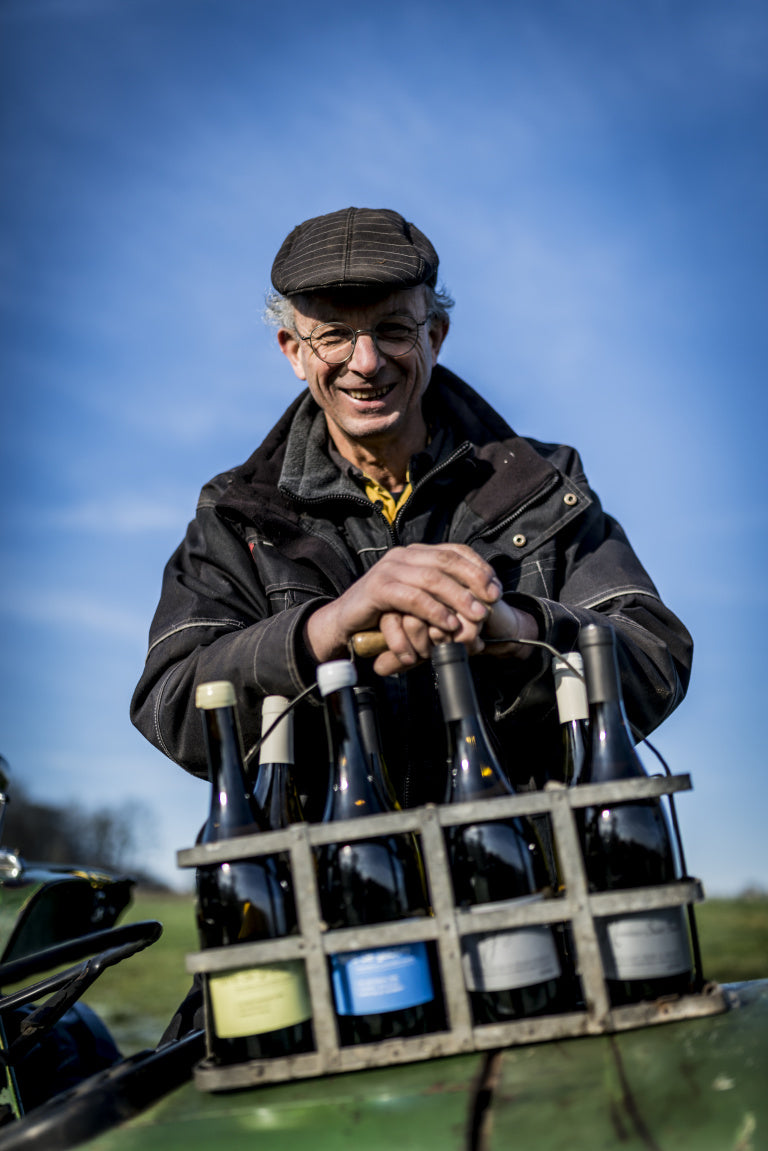
VINCENT CAILLÉ (Domaine Le Fay d’Homme)
Muscadet, Loire Valley, France
THE PLACE
In the heart of Muscadet Sèvre et Maine, at Le Fay d’Homme near Monnières, the Caillé family have been winegrowers for five generations. Vincent Caillé took over the family vineyard in 1986, pursuing uncompromising quality and expression.
THE FARMING
On soils of gneiss, gabbro and orthogneiss, Vincent works the land with tillage or natural grass. Grown organically since 1996, the vines blossom on living soils that have recovered their wild tulips, a protected species affected for a long time by chemical treatments in the region. Organic farming here takes commitment, given the oceanic climate and Melon’s susceptibility to mildew.
IN THE GLASS
In the cellar, he vinifies his wines with indigenous yeast and long ageing on lees — the particles and sediment from winemaking — for soft, round, complex wines. His wines, with angelic prices, have remarkable density and sensitivity, restoring the image of a resurgent appellation.

Muscadet Sèvre et Maine Sur Lie 2025

I Love You But I'm Thirsty NV

X Bulles NV

Monnières-Saint Fiacre 2020

Terre de Gneiss 2023

Terre de Gabbro 2023

Mouton Noir 2025

La Part du Colibri 2025

Gorges 2020
JULIEN MUS

JULIEN MUS (Domaine de la Graveirette)
Southern Rhône, France
THE PLACE
After completing his viticultural and winemaking studies at Beaune, Julien Mus returned to his family domaine on the outskirts of Châteauneuf-du-Pape. Until then, the grapes had been sold to the local cooperative. In 2005 he founded Domaine de la Graveirette and began making his own wines.
THE FARMING
Julien farms biodynamically around Bédarrides and Courthézon. The parcels include sandy ground, alluvial soils and stony terraces. Alongside Rhône appellation wines, his Vin de France bottlings make room for varieties such as Merlot, Marselan and Viognier.
IN THE GLASS
His wines have pure, expressive fruit. The Côtes du Rhône gives a more traditional Rhône expression, while Ju de Vie brings together a freer blend of varieties. Lou Ravi is Viognier raised in steel, keeping the emphasis on fragrance and texture.

Ju de Vie Rouge 2023

Ju de Vie Blanc 2024

Côtes du Rhône 2024

Lou Ravi 2022

Châteauneuf-du-Pape Rouge 2020

Châteauneuf-du-Pape Font de Crau 2017

Châteauneuf-du-Pape Puy de Safre 2017
JAN MATTHIAS KLEIN
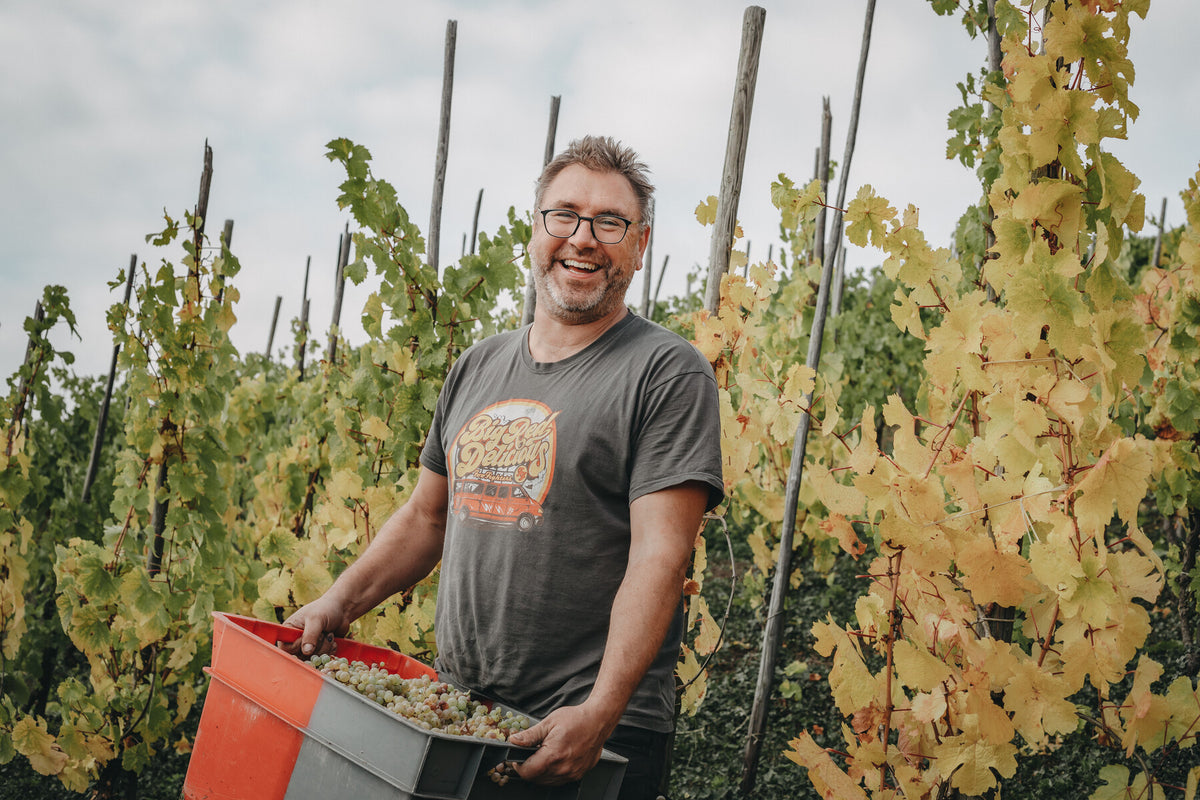
JAN MATTHIAS KLEIN (Staffelter Hof)
Kröv, Mosel, Germany
THE PLACE
The first mention of the Staffelter Hof estate and house was found in documents dated 862 AD. It has been in the current family since 1805, when they bought it from Napoleon’s government. Since then, the winery has been handed down from generation to generation. It was primarily a bulk wine producer until the late 1950s, when Jan Klein’s grandfather took over the winemaking.
THE FARMING
Jan Matthias Klein took over from his father in 2005, aged 28. In 2010–2011, he started to change his thinking towards the future of the winery and the planet. He converted all the vineyards to organic farming. Viticulture has been fully organic since the 2012 vintage, with certification following in 2014.
IN THE GLASS
Jan continued to make classic Rieslings for a few years after taking over, before moving towards a more minimal style of winemaking, including reducing the level of sulphur dioxide used in the cellar.


CATHERINE & ALIX ROQUE
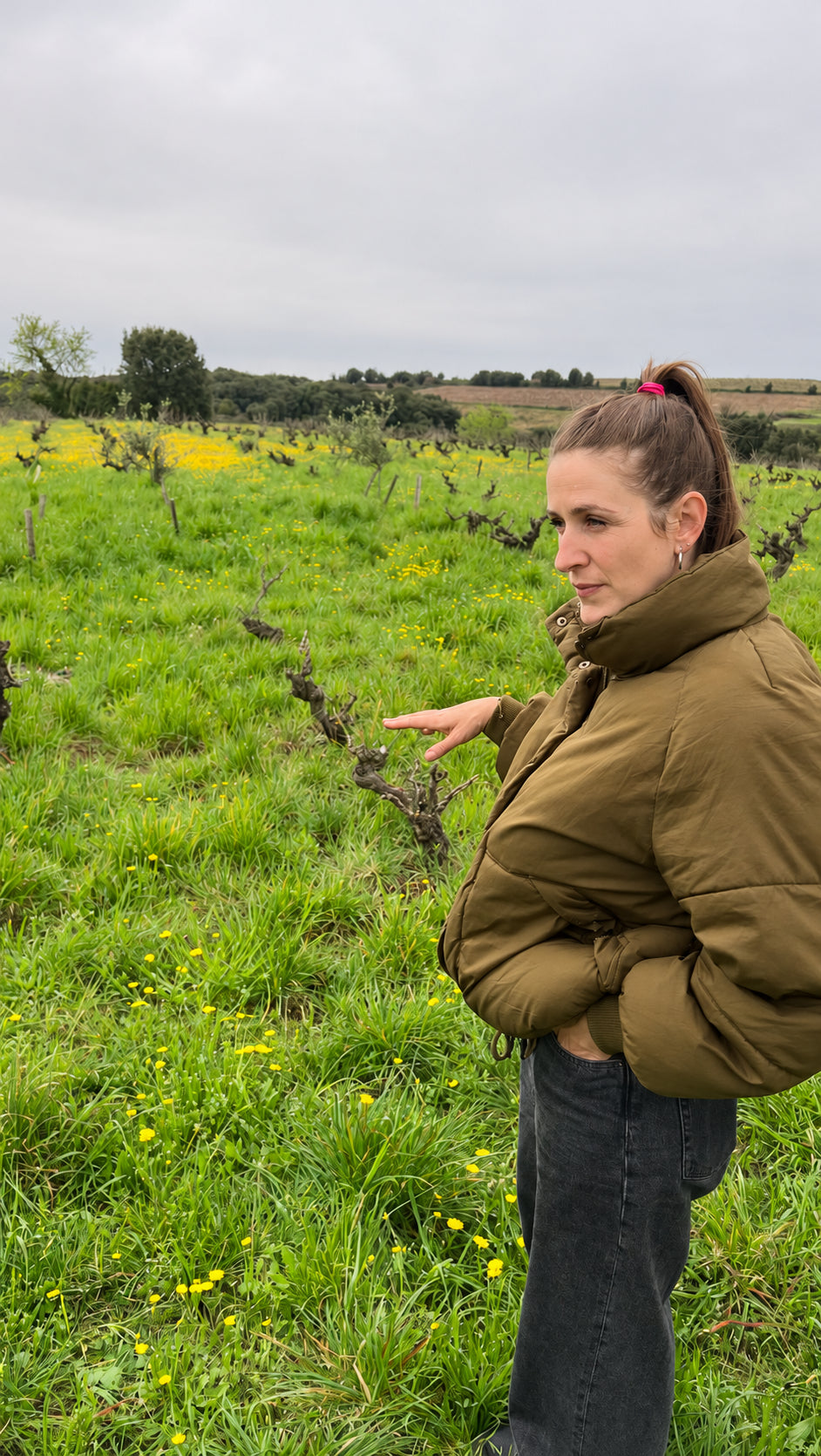
CATHERINE & ALIX ROQUE (Domaine de Clovallon & Mas d’Alezon)
Bédarieux & Faugères, Languedoc, France
THE PLACE
Two estates in the hills of the Languedoc. Catherine Roque established Domaine de Clovallon near Bédarieux, planting Pinot Noir in 1989. Her daughter Alix now leads the work there. Catherine focuses on Mas d’Alezon, on the high schist slopes of Faugères. Clovallon’s sheltered valley and limestone escarpment offer a cooler setting for varieties rarely associated with the south.
THE FARMING
Organic and biodynamic farming connects the two estates. At Clovallon, natural vegetation grows between the rows and manure supports the soil. The grapes are picked by hand and fermented with native yeasts. We’ve spent time with Catherine and Alix at both estates.
IN THE GLASS
Clovallon’s Pinot Noir has fragrance and fine tannin; En Noir et Blanc brings Riesling together with Pinot Noir pressed as a white. At Mas d’Alezon, Le Presbytère gives a supple, herbal expression of Faugères, while Montfalette has darker fruit and more structure. Southern wines with freshness running through them.


BALAZU DES VAUSSIÈRES
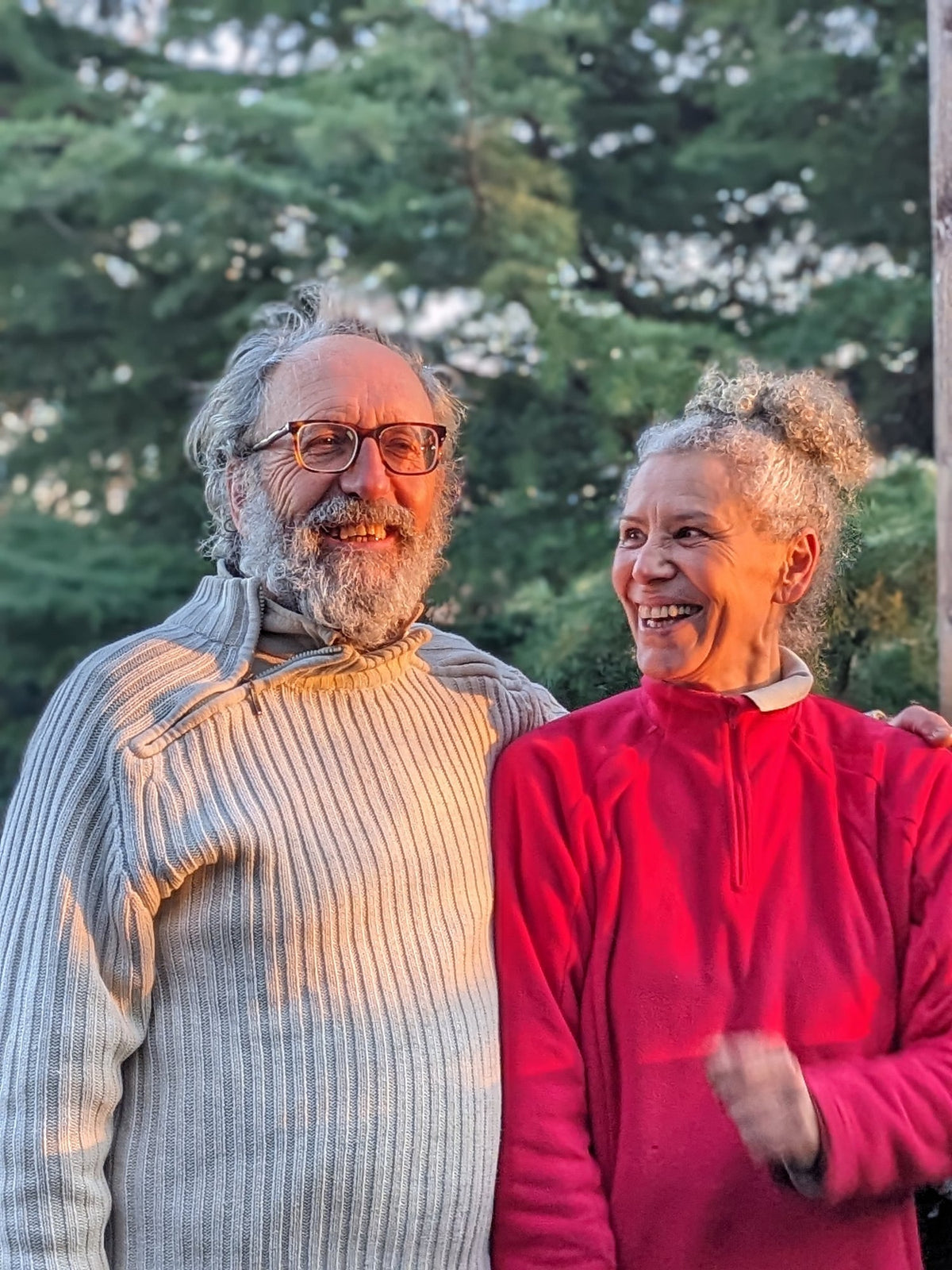
BALAZU DES VAUSSIÈRES (Nadia & Christian Charmasson)
Tavel, Southern Rhône, France
THE PLACE
Nadia and Christian Charmasson work around Tavel and Lirac in the southern Rhône. Their small estate is planted with local varieties, including Grenache, Mourvèdre and Carignan. Balazu was Christian’s grandfather’s nickname, a local word for a troubadour; Vaussières is the road where the family estate stands.
THE FARMING
The couple work biodynamically, using herbal preparations and essential oils to support vine health. They avoid copper and use sulphur in the vineyard only when they consider it necessary. In the cellar, steel and fibreglass tanks take the place of barrels. The wines can remain there for years before release.
IN THE GLASS
Patience is central to these wines. Hysope arrives with developed savoury flavours alongside its southern fruit. Dark berries, bitter herbs and earth, with a firm grip. Give it air and the detail opens gradually.


A THOUSAND GODS
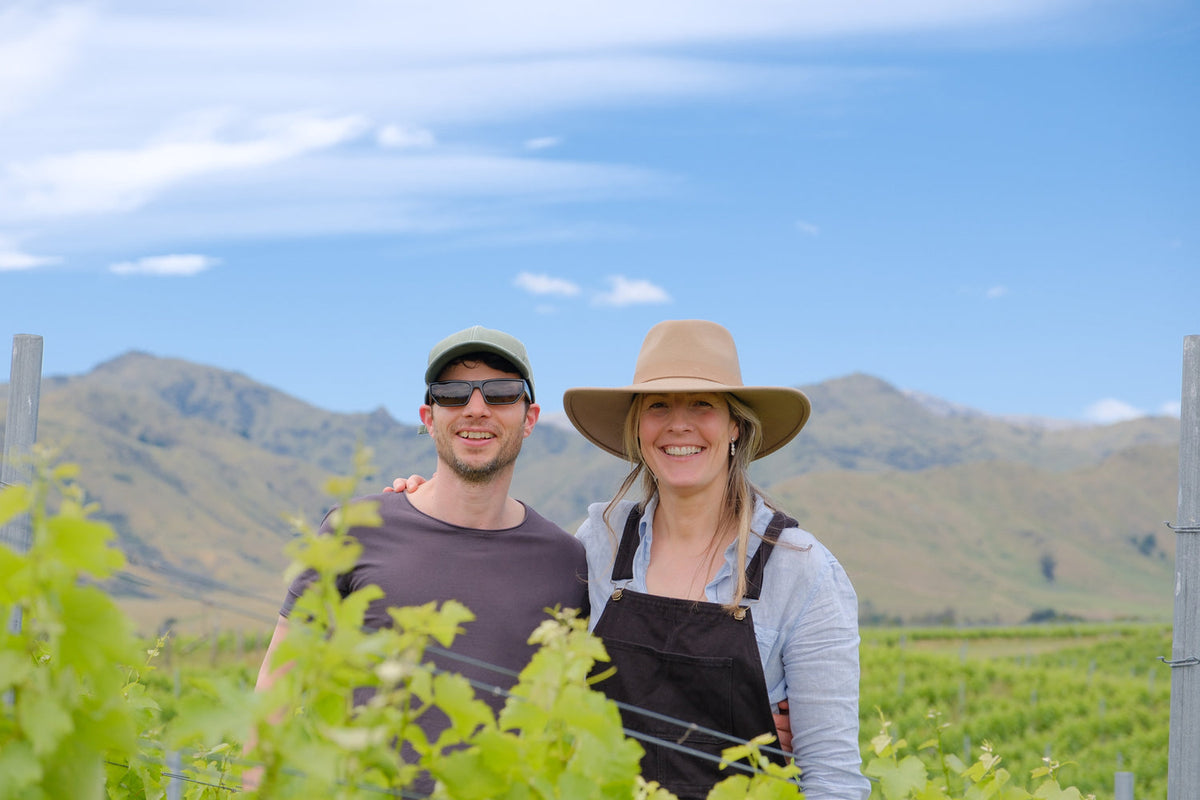
A THOUSAND GODS (Simon & Lauren)
Marlborough, New Zealand
THE PLACE
Simon and Lauren returned to New Zealand after years making wine abroad, including a decade in Cahors. Simon worked with Fabien Jouves, another grower we know well. Their own project, A Thousand Gods, began in 2019, working with fruit from the biodynamically farmed Churton vineyards in Marlborough.
THE FARMING
The starting point is carefully grown, hand-picked fruit. Fermentation begins with native yeasts, with no additions, fining or filtration. They work without added sulphur, allowing time in the cellar for the wines to settle before bottling.
IN THE GLASS
Blanc gives Sauvignon a broader texture through a little skin contact. Citrus and passionfruit sit alongside a savoury, herbal character. Flōs Pinot Noir is more delicate, with cherry, flowers and fine texture. Familiar Marlborough grapes, handled with a different emphasis.


JUDITH BECK
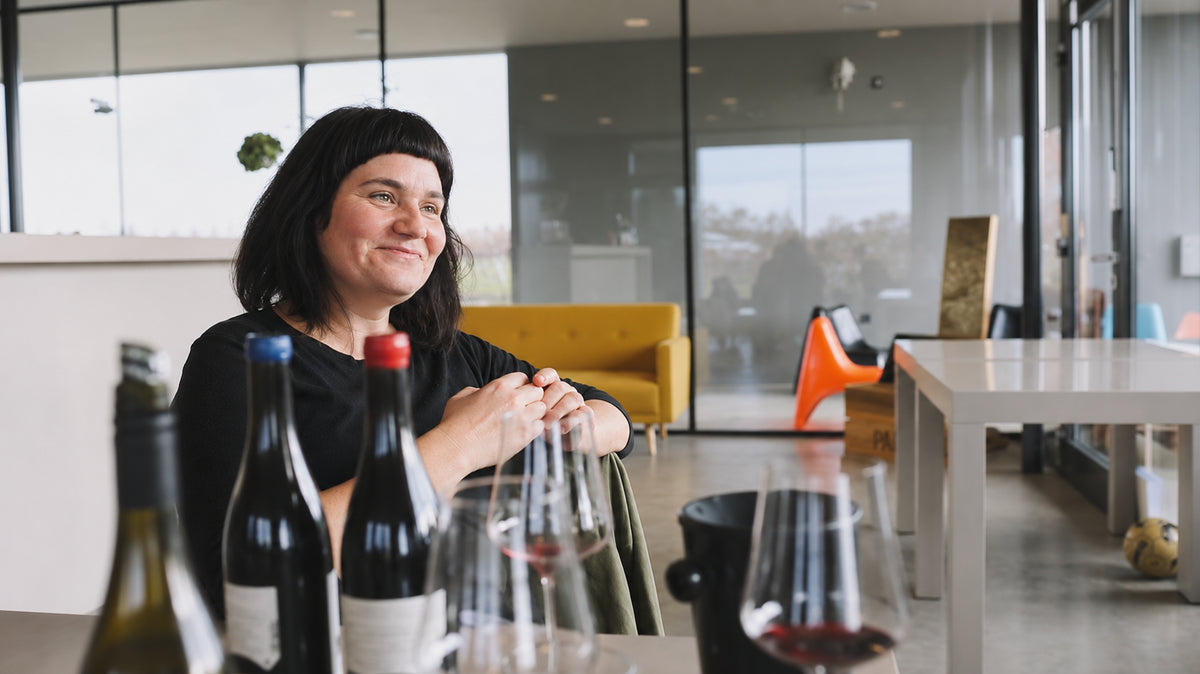
JUDITH BECK (Weingut Judith Beck)
Gols, Burgenland, Austria
THE PLACE
Judith’s family winery is in the village of Gols, south-east of Vienna in Burgenland. Her emphasis is on refining style whilst capturing the potential of the grape. She is passionate about traditional Austrian varieties: Blaufränkisch, St. Laurent and Neuburger.
THE FARMING
Judith has produced wines in accordance with biodynamic principles since 2007. Her focus is on the vine growing: building humus with prepared cattle manure, cultivating grass between the rows and using herbal teas and biodynamic preparations. The aim is to strengthen the natural resistance of the plant and maintain healthy soil.
IN THE GLASS
Judith makes articulate expressions of grape, place and vintage, with her Bambule wines exploring the wild side of the grape. She is an impressively calm, thoughtful person and that sense of relaxation seems to transmit itself into her wines, which possess a lightness of touch not always apparent in this region.

